...
Setting parameters on the URL

Figure 1: Login page URL with the parameters set for admin view.

Figure 2: Login page URL with the parameters set for non-admin view.
Parameters:
- page=login
- user=admin or user=non
...
To have different results based on the parameters, write a JavaScript code into the UI Builder > Settings > Configure Layout > Advanced, scroll down until the Custom JavaScript
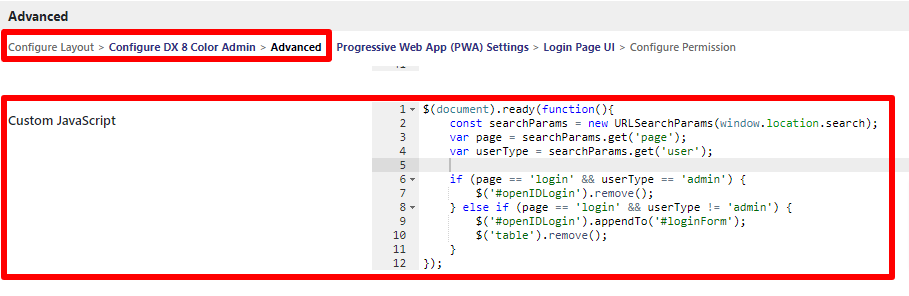
Figure 3: Custom JavaScript section on UI Builder Advanced Settings.
The following script shows the different login pages based on the page and user parameters using JS:
...
This script takes in the parameters - if it is a login page and the user type is "admin", then remove the openID login button. Else if the type is not "admin", then move the openID login button and remove the login form.
A Custom CSS is also written for the cloud login button to keeps its styling after moving the element:
| Code Block | ||
|---|---|---|
| ||
#openIDLogin {
    background: blue;
    padding: 10px 20px;
    border-radius: 3px;
    text-align: left;
    display: block;
    width: fit-content;
    color: white;
    margin: auto;
}
#icon {
padding-right: 20px;
} |
Results
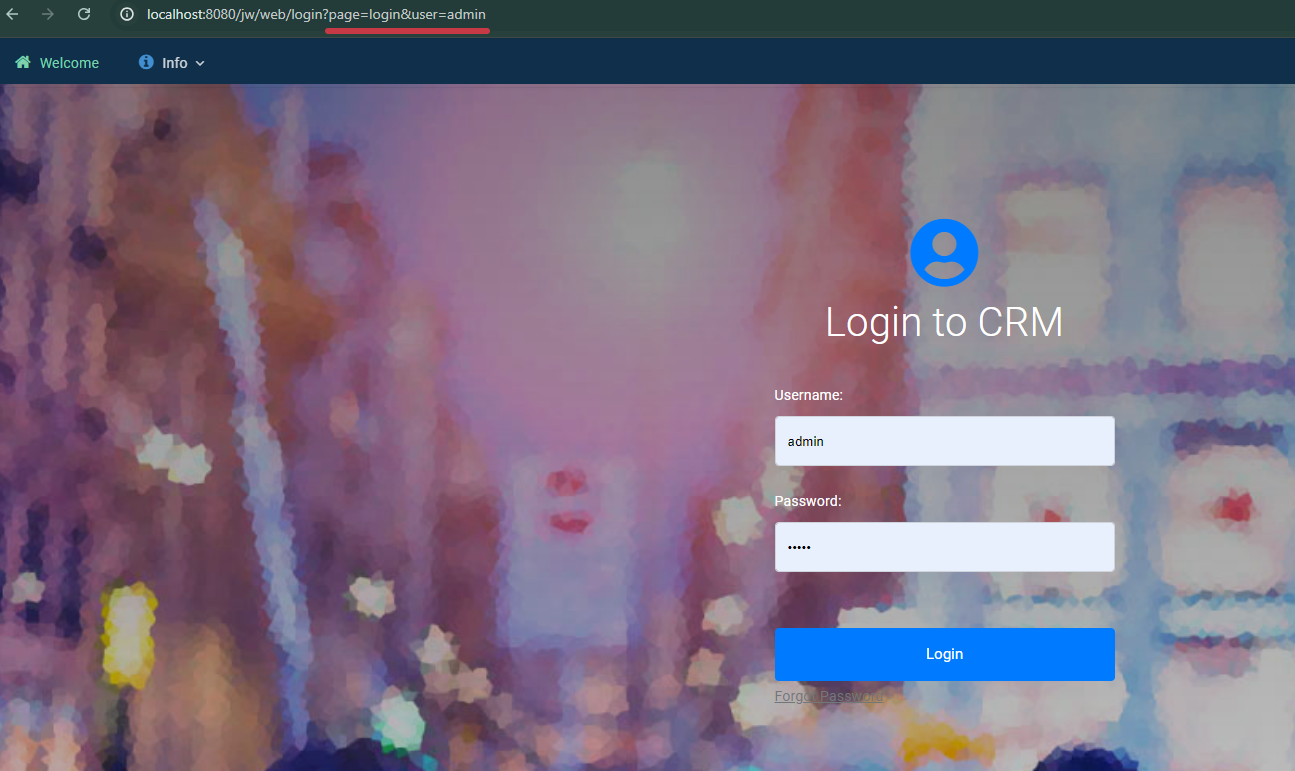
Figure 4: Admin login page, with username and password fields displayed.
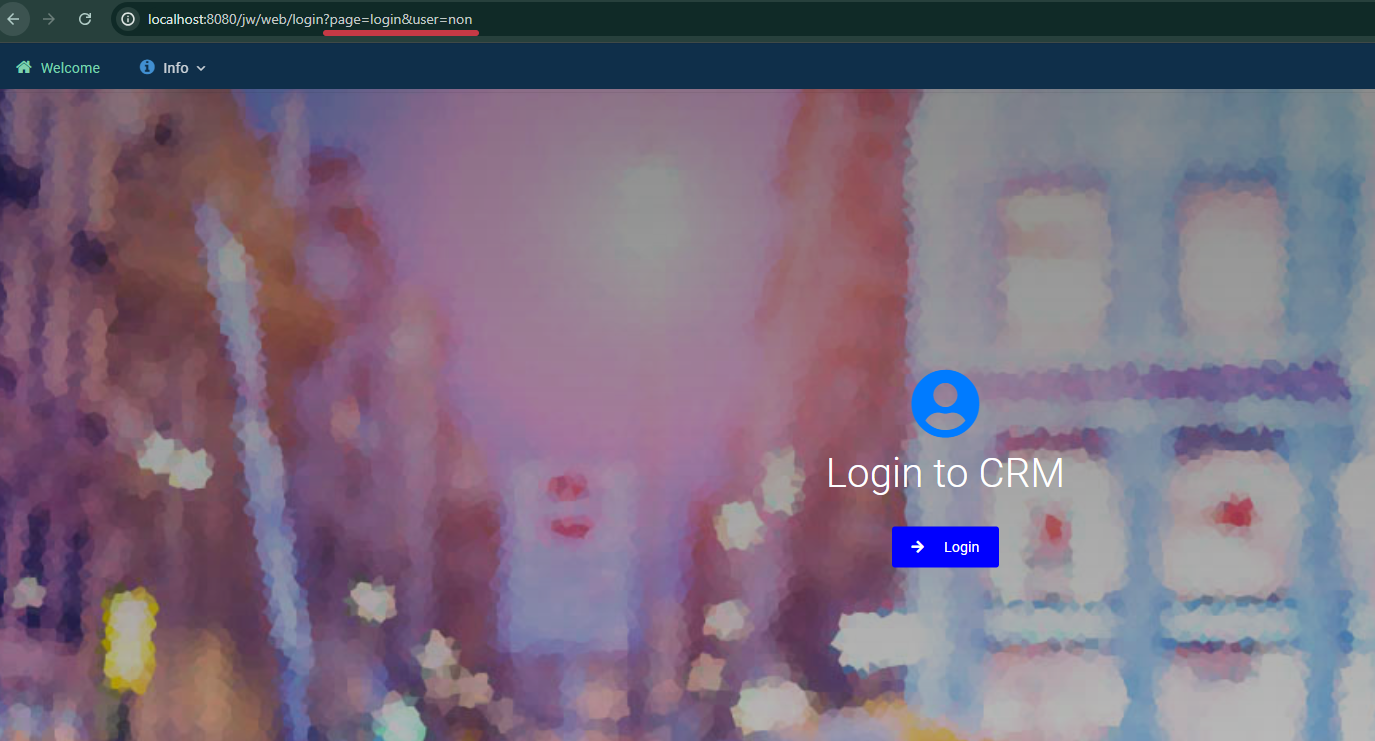
Figure 5: Non-admin login page, with only the cloud login button displayed.